Poet Written About in the Books of Tang Nyt

Imagine a time when writing a poem could land you a government job—or a place in history. That’s the Tang Dynasty, China’s golden age of poetry. Even the New York Times regularly praises these ancient voices—with spotlight features on masters like Li Bai and Wang Wei. Today, we’ll journey through centuries, seeing how these poets still speak to us, and how modern media helps their verses echo across cultures.
| Aspect | Details |
|---|---|
| Dynasty Period | Tang Dynasty (618 – 907 AD) |
| Books of Tang | 1. Old Book of Tang (945 AD) 2. New Book of Tang (1060 AD) |
| Number of Poets Featured | Over 100 poets documented in dynastic histories; around 30–40 included in major translations |
| Major Tang Poets | Li Bai, Du Fu, Wang Wei, Bai Juyi, Meng Haoran |
| Poetic Themes | Nature, spirituality, wine, love, war, solitude, political corruption, aging |
| Religious Influences | Taoism (Li Bai), Buddhism (Wang Wei), Confucianism (Du Fu, Bai Juyi) |
| First Western Translations | Late 19th century by missionary-scholars; became mainstream in mid-20th century |
| Most-Reviewed Translations (NYT) | Burton Watson, Stephen Owen, David Hinton, Vikram Seth |
| Li Bai (701–762) | Known as “Immortal Poet,” symbol of Taoist freedom, romantic verse; often likened to Shakespeare by NYT |
| Du Fu (712–770) | Documented war, poverty, political critique; praised by NYT as “Poet Historian” and “Chinese conscience” |
| Wang Wei (699–759) | Master of Buddhist imagery and minimalism; called “Poet of Silence” in NYT literary criticism |
| Bai Juyi (772–846) | Wrote for the common people; poetry as social commentary; widely translated and reviewed in New York Times anthologies |
| Meng Haoran (689–740) | Focused on landscape, seclusion, seasonal beauty; lesser NYT exposure but included in academic features |
| Use in NYT Features | Cultural essays, poetry reviews, book critiques, and comparisons with Western poets |
| NYT Article Mentions | “China’s Shakespeare: The Poet Li Bai,” “Whispers from the Mountains,” “Voice of the People in Ancient China,” “Verses from the Middle Kingdom” |
| Tang Poetry in Education | Included in Ivy League literature and East Asian studies syllabi; NYT often references academic influence |
| Global Reach | Translated into 30+ languages; anthologized in world literature collections |
| Digital Presence | Available via JSTOR, Poetry Foundation, NYT archives, Google Books, university libraries |
| Influence on Western Poets | Compared to Shakespeare, Wordsworth, Thoreau, Rumi |
| Poetic Forms Popularized | Regulated verse (lüshi), quatrains (jueju), and prose-poetry hybrids |
| “Three Perfections” | Poetry, painting, and calligraphy—especially represented by Wang Wei |
| Women Poets of Tang | Xue Tao, Yu Xuanji—less NYT coverage but increasingly studied in modern gender-focused literary analysis |
| Social Role of Poets | Poets often served as government officials, advisors, or social critics |
| Modern Resurgence | Frequently quoted in NYT articles on mindfulness, minimalism, Zen Buddhism, and global literature |
| Top NYT-Rated Poets | Li Bai (most romanticized), Du Fu (most moral/ethical), Wang Wei (most meditative), Bai Juyi (most direct and activist) |
| Translation Difficulty | High—due to symbolism, tonal language, historical context; NYT reviews often discuss accuracy vs. artistry |
| Popularity in West | Grew after WWII and Cold War cultural exchange; currently resurging via digital platforms and literary podcasts |
Overview of the Tang Dynasty
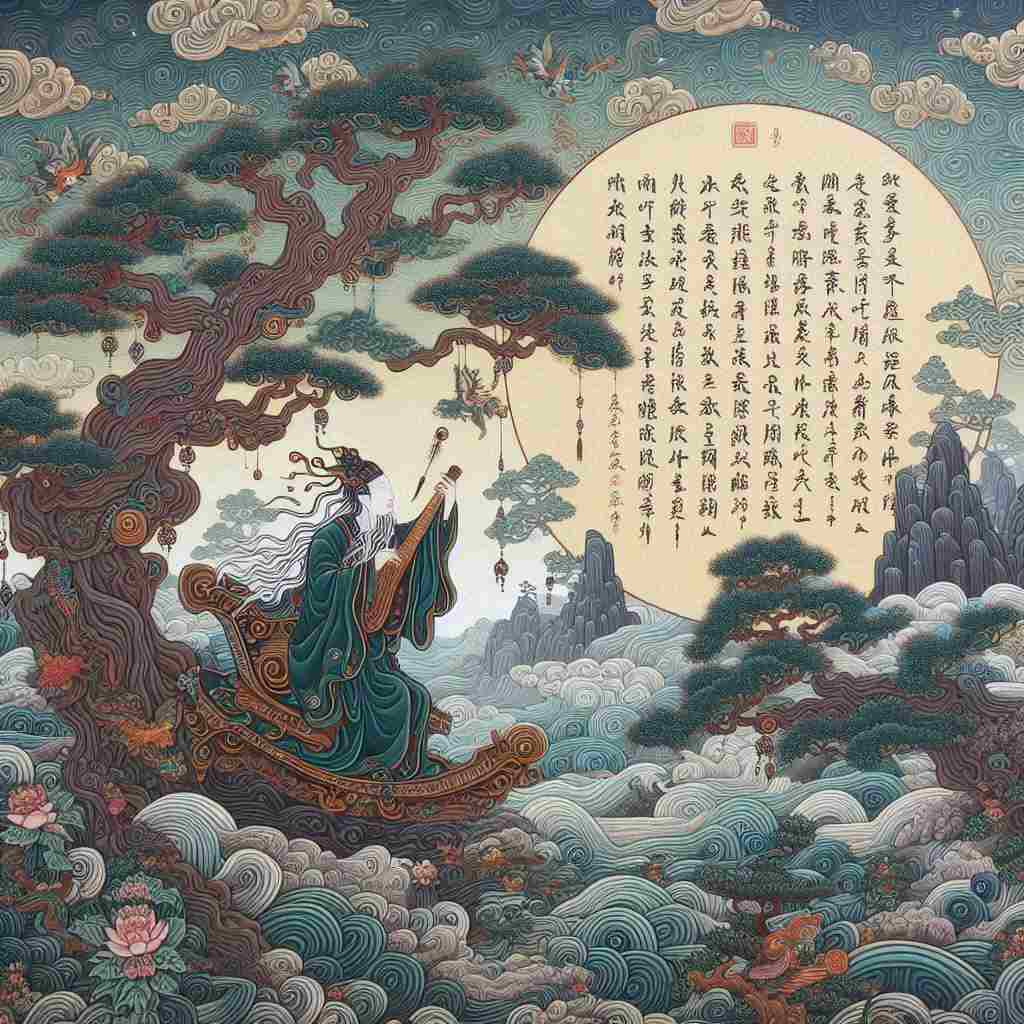
During its rule from 618 to 907 AD, the Tang Dynasty was vibrant, cosmopolitan, and booming with arts. Poets weren’t just hobbyists—they were the rock stars of their era, their voices shaping politics, philosophy, and daily life.
The Role of Poetry in the Tang Era
Passing government exams meant mastering poetry. Scholars, diplomats, even emperors composed verse to communicate with elegance and wit. Poetry was woven into exams, tradition, and the fabric of public life.
Introducing the “Books of Tang”
These official dynastic records—the Old and New Book of Tang—don’t just chronicle battles and rulers. They celebrate poets, anthologize their work, and immortalize their legacy.
Li Bai: The Free-Spirited Immortal
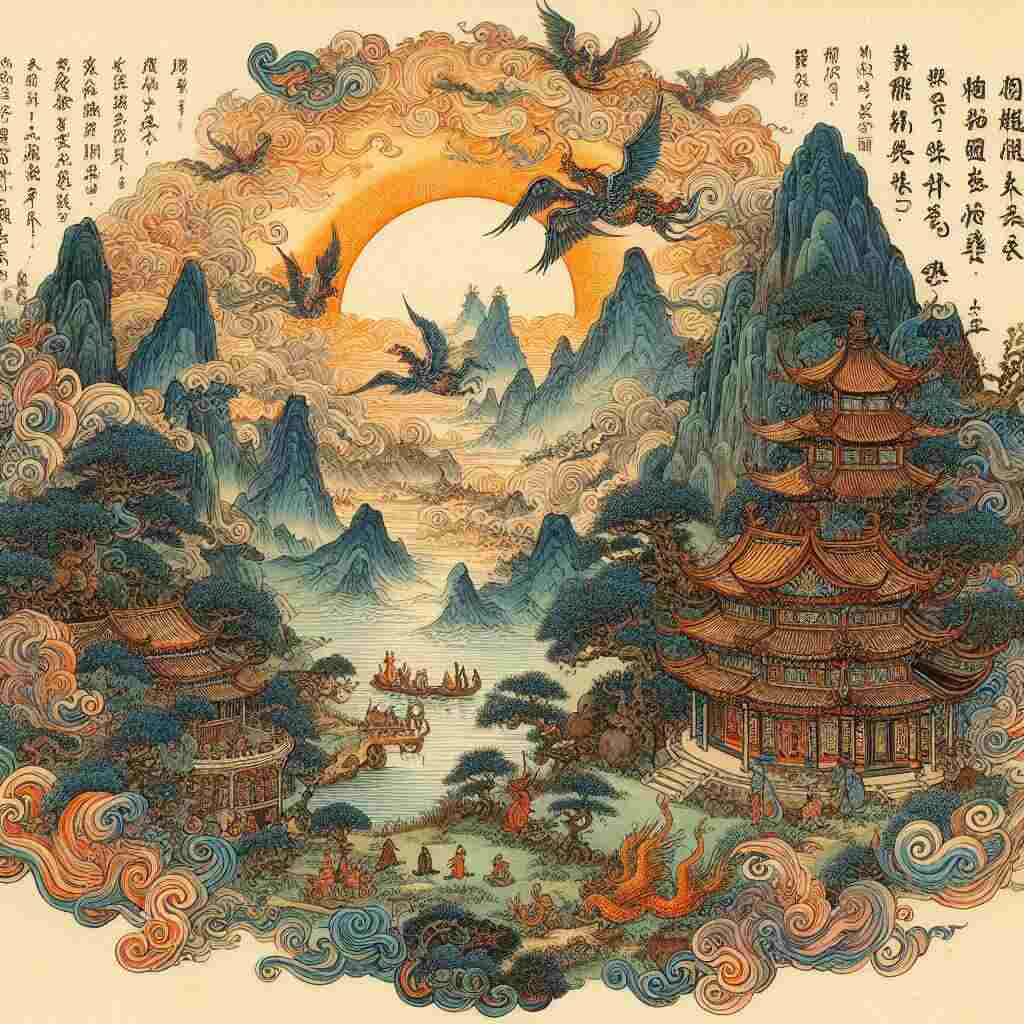
Widely known as “China’s Shakespeare,” Li Bai (701–762) lived for the open road, wine, and magic in words. Legend says he drowned reaching for the moon’s reflection while intoxicated. The New York Times often describes his poetry as “romantic, grand, and eternally buoyant,” likening him to a wine-swilling Beat Poet with Taoist soul.
Du Fu: The Conscience of a Nation
Du Fu (712–770) chronicled the horrors of the An Shi Rebellion—famines, war, suffering—yet never lost his moral compass. The NYT celebrates him as “Poet Historian.” His verses feel timelessly urgent and socially aware.
Wang Wei: The Silent Sage
Wang Wei (699–759) retreated to his riverside villa after serving in the court and surviving war and tragedy. There, immersed in Chan Buddhism, he wrote minimalist quatrains that double as Zen meditation—like “Empty Mountain”:
Scholars praise him as the “quietest poet in Chinese—and perhaps all—literary history” JSTOR Daily. The NYT draws parallels between his stillness and the modern mindfulness movement.
Bai Juyi: The People’s Poet
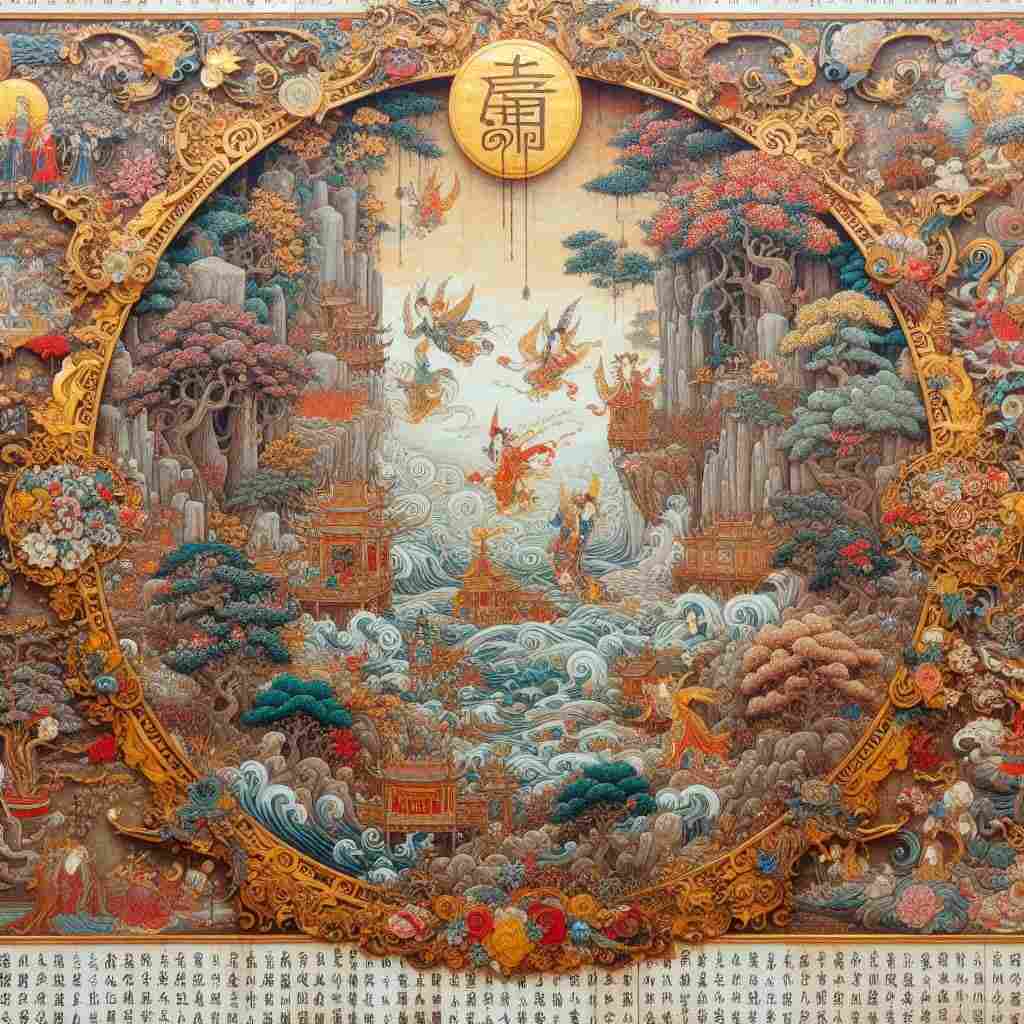
Bai Juyi (772–846) wrote plainspoken verses about injustice—heavy taxes, corrupt officials—with empathy and clarity. The NYT notes how his “journalism disguised as poetry” gave voice to the common people long before we called it activism.
Meng Haoran: Mother Nature’s Companion
Meng Haoran (689–740) captured seasonal shifts and rural delights with simplicity and introspection. Though quieter than his peers, his work laid stepping stones for later Zen and landscape traditions.
Philosophies in Verse
Tang poetry was infused with Confucian duty, Daoist spontaneity, and Buddhist tranquility.
- Taoism embraced flow and freedom (think Li Bai).
- Buddhism whispered stillness and impermanence (Wang Wei)
- Confucianism demanded social responsibility, morality, and service (Du Fu, Bai Juyi).
These three teachings created poetry rooted in action, reflection, and transcendence.
From Scroll to Page: Tang in the West
The West first discovered Tang poetry through missionaries and sinologists. Later, Burton Watson and Stephen Owen shaped modern translations. The NYT reviews these works, helping American readers connect with over a millennium of poetic genius.
Why the NYT Cares
The New York Times features Tang poetry in reviews, translated collections, and culture essays. They highlight how ancient voices still speak to human fears, joys, and cultural exchange—from Li Bai’s wanderlust to Wang Wei’s silence as resilience.
FAQs
What makes Tang poetry still relevant today?
Because it bridges centuries—people still face love, loss, war, nature’s beauty, and the search for meaning.
Where can I read Tang poems in good English?
Try Burton Watson’s or Stephen Owen’s collections, often praised in NYT Books.
Are these translations accurate?
Translating Tang poetry is like balancing moonlight—some nuance is lost, but the emotional core shines through .
Who was the most influential Tang poet?
It depends—Li Bai for imagination, Du Fu for moral clarity, Wang Wei for spiritual depth—all have earned their place.
Can I find Tang poetry online?
Yes—NYT, Poetry Foundation, Poetry Foundation, JSTOR, and university archives host translations.
Why is Wang Wei called the “Poet Buddha”?
He practiced Chan Buddhism, writing sparse, empty verses that reflect spiritual stillness JSTOR Daily.
Did any Tang poets also paint?
Yes—Wang Wei did, blending ink painting and poetry in perfect harmony (“Three Perfections”) .
How did Tang themes compare to Western poetry?
Tang poetry often uses nature as metaphor (like Romanticism), but is more concise and philosophical.
Why does NYT still publish about Tang poets?
Because these poets speak universal truths—reminding us that the human condition transcends time and borders.
How can I start reading Tang poetry?
Begin with 100-300 page anthologies, focus on Li Bai’s romantic odes or Wang Wei’s reflective nature scenes—both beautifully introduced in NYT reviews.